

DHA for kids is an important nutrient for brain development, not only for mom and baby, but for children too, especially those with ADHD
What is ADHD (Attention-Deficit / Hyperactivity Disorder) ?
ADHD is one of the most common neurodevelopmental disorders of childhood. It is usually first diagnosed in childhood and often lasts into adulthood. Children with ADHD may have trouble paying attention, controlling impulsive behaviors (may act without thinking about what the result will be), or be overly active.
Are your kids getting enough DHA?
The diets of children around the world are lacking in DHA. According to the 2015 Dietary Guidelines for Americans (DGA), most infants and young toddlers aged 1-3 years are not meeting the recommended intake levels of DHA.
Certain conditions, like ADHD, have been shown to benefit from adequate DHA intake, particularly when it comes to literacy.
Hence, paying attention to adequate amounts of omega-3 fatty acids such as EPA (eicosapentaenoic acid) and DHA is part of a healthy ADHD diet for kids.
Many experts advise consuming pre-formed DHA in order to reach and maintain ideal brain concentrations and related brain functions.
While DHA can be created from ALA within the body, this process isn’t ideal. The enzymes required to make DHA from ALA are in high demand from other fatty acids, such as linoleic acid (LA).
Also, due to the nature of the American diet, which is high in omega-6 PUFAs, enzymes are often shunted to processing those fatty acids rather than converting DHA.
In the end, the conversion of ALA to DHA within the body is inefficient and inadequate, thus making DHA a conditionally essential nutrient.
Direct supplement dietary intake of DHA, or eating DHA foods, is the preferred and optimal method of ensuring enough DHA for your child.
How Much DHA Do Kids Need?
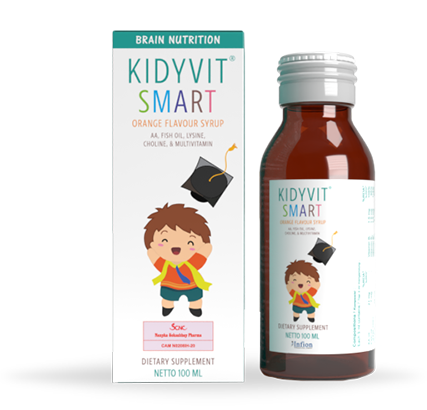
Recommendations are still emerging, but the latest recommendations for the general population are to consume 250 to 500 mg EPA + DHA per day, according to a 2016 review in Nutrients. (EPA and DHA are packaged together in supplements, and found together in food.)


